








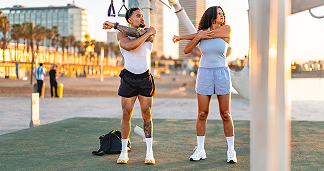


The split between "functional training" and "traditional strength training" is a false one. The real question is: what does this client need to move well in their life and how does our training program build that capacity?
Defining the Terms
"Functional training" has become one of fitness culture's most overused and under-defined terms. At its core, functional movement refers to training that directly develops the physical capacities required for everyday life activities, not abstract athletic performance metrics. Standing, walking, squatting, hinging, carrying, reaching overhead, rotating: these are the movement patterns that determine whether a person can live independently, perform their job without pain, and care for their family without physical limitation. Functional training prioritizes these patterns.
Traditional strength training, barbell lifting, machine-based resistance work, isolation exercises, is not opposed to functional goals; it is one tool among many for building the underlying strength, bone density, and muscular capacity that support function. The NASM OPT™ model does not pit these approaches against each other. Instead, it provides a progressive framework that begins with stabilization (functional foundation), advances to strength (underlying capacity), and peaks with power (performance expression) with each phase serving the other.
|
Real Life Application: Fit Integrated Wellness, a private PT studio in Vancouver, trainers assess clients not just for fitness goals but for functional capacity, working in collaboration with physiotherapists to identify movement limitations that may have clinical origins. The training program that emerges is always oriented toward the client's life capacity, not an abstract performance metric. This is what genuine functional coaching looks like. |

What General Population Clients Actually Need
For the majority of Canadian fitness clients, adults between 35 and 65, managing desk work, family demands, and beginning to notice the physical costs of a sedentary lifestyle, functional capacity is both the goal and the filter for programming decisions. This population does not need to deadlift 200kg; they need to lift groceries from the floor without lumbar pain. They do not need vertical jump performance; they need the hip extension strength to climb stairs comfortably at 75. The training program serves the life, not the other way around.
NASM-certified trainers educated through NPTA™ are specifically trained to begin with client goal assessment and life-demands analysis before selecting programming tools. A holistic trainer using the NASM OPT™ model designs programs around what the client actually needs to function well, which often includes a sophisticated combination of corrective mobility work (NASM CES), behavioural support (NASM BCS), and appropriately selected strength and conditioning progressions.


